
The best reply is short: name where the number came from, acknowledge the concern, then ask permission to continue. Something like, “I pulled it from the county property record. I know that can feel like a lot, and I only need thirty seconds. Fair enough?” That structure works because it treats the question as curiosity, not a confrontation, and it gives the prospect an easy way to say yes.
TL;DR:
- Clearly state the specific source of your lead, such as public records or a data provider, to build trust and avoid suspicion.
- Tailor your response based on the prospect’s tone, using brief acknowledgments and permission asks to keep the call flowing smoothly.
- Keep your reply under 8 seconds when spoken aloud, practicing to ensure a calm, confident delivery that prevents escalation.
- Avoid vague or evasive answers like “we have a list” or joking, as they tend to stall or offend prospects.
- Rehearse your response using roleplay tools to improve clarity, tone, and pacing, increasing your chances of maintaining positive engagement.
Table of Contents
- Why Prospects Ask Where You Got Their Number
- Ready-to-Use Scripts for Every Type of Prospect
- How to Read Tone and Adjust on the Fly
- What Not to Say (These Answers End the Call)
- Permission and Exit Ramps That Keep the Door Open
- Rehearse the Reply Until It’s Automatic
- What I’ve Noticed After Watching This Objection Play Out
- Practice These Scripts Before Your Next Call
- Sources
- FAQ
Why Prospects Ask Where You Got Their Number
Most callers assume this question means the prospect is angry. It usually means something else. They’re checking whether you’re a scam, a data broker, or someone who actually did their homework. Some are mildly annoyed. Others are just curious about how the system works.
Tone tells you which. A flat, quick question (“how’d you get this number”) is often just curiosity. A sharp, clipped one with a pause afterward signals suspicion. Genuine hostility usually comes with volume or a demand to be removed immediately.

Whatever the motive, naming a specific public source beats a vague gesture at “our database.” If your list came from public records, a marketing list provider, or a company directory, say so plainly. Never claim a method you didn’t actually use, and never imply something illicit happened when it didn’t. Real estate callers in particular should stick to sources they can name without hesitation, because homeowners in probate, foreclosure, or inheritance situations are already on edge.
Ready-to-Use Scripts for Every Type of Prospect
Not every prospect deserves the same reply. A hostile homeowner wants brevity and an exit. A wary one wants proof you’re legitimate. A curious one just wants context before you get to the point. Sales trainers who study this exact objection generally agree on a three-part shape: source, acknowledgment, pivot. Here’s how that shape flexes across three common reactions.
- Hostile: “Totally fair to ask. It’s public county record data. Want me to take you off the list, or can I ask one quick question first?”
- Wary: “I found your info through [LinkedIn / the county assessor’s site]. I’m reaching out because of [specific reason]. Got 30 seconds?”
- Curious: “Good question. Your property came up in a public records search for [area/situation]. I’m calling because [specific value point]. Mind if I explain in half a minute?”
Each script fits comfortably under 12 seconds when said out loud. That’s intentional. Long-winded answers read as defensive, even when every word is true.
Pro Tip: Say your script out loud with a timer running before you ever use it live. If it takes longer than 8 seconds to deliver the source and the pivot, you’re adding filler words the prospect doesn’t need.
Delivery matters as much as wording. Speak at a normal pace, not rushed and not overly slow. Avoid “um,” “well,” and “basically,” they signal nerves, and nerves invite more pushback, not less.
How to Read Tone and Adjust on the Fly
Reading tone in the first three seconds decides whether your next ten seconds work. Tone control matters more than the exact phrasing you choose, which is why a quick mental checklist beats a memorized script you recite regardless of how the person sounds.
- Angry or clipped: Give the shortest true answer, then offer removal or an alternate contact. Don’t try to sell past this.
- Suspicious but engaged: Name a specific public source, then state your reason for calling in one sentence.
- Neutral or curious: Answer briefly, then ask permission for 30 seconds before moving into your value statement.
The mistake most callers make is treating all three the same way. Matching a curious prospect’s calm tone with a rushed, defensive answer makes you sound guilty of something you’re not. Matching an angry prospect’s energy with a long explanation just extends the confrontation. Read first, then choose the script.
What Not to Say (These Answers End the Call)
A handful of phrases reliably kill momentum, and they show up constantly in cold calling because they feel safe in the moment.
- “We have a list” or “we do research” with no specifics reads as evasive, even when it’s technically true.
- Jokes or sarcasm about privacy concerns (“guess I have my sources”) almost always land as dismissive.
- Over-apologizing signals you did something wrong, even if you didn’t.
- Arguing or volunteering legal disclaimers turns a 10-second exchange into a debate.
If the number came from a purchased list, say so in neutral, factual terms rather than dodging the question. Coaching guides on this exact objection consistently advise against admitting to “buying a list” in those exact words, since the phrase sounds transactional and cold. A cleaner version: “It came through a marketing data provider that compiles public property records.” Same truth, better framing.
Permission and Exit Ramps That Keep the Door Open
Every reply needs a next move built in, either forward or out. The permission ask and the alternate-contact offer are the two moves that consistently keep calls alive or end them on good terms.
- Permission phrasing: “Can I take 30 seconds to explain why I’m calling?” This works because it gives the prospect control over a small, low-risk decision.
- Exit-ramp phrasing: “No problem, I can take you off this list. Is there a better number or time to reach you?”
- Turning a refusal into a future touchpoint: Ask if a text or email works better than a call. Many prospects who hang up on calls will still respond to a short follow-up message.
Experts who study high-resistance calls generally recommend offering the exit ramp before the prospect has to demand it. Volunteering removal, rather than waiting to be told to remove them, tends to preserve goodwill even when the answer is no today.
Rehearse the Reply Until It’s Automatic
Reading a script once doesn’t make it usable under pressure. A better structure: five minutes of warmup lines, twenty rapid-fire roleplay reps against different tones, then a recorded playback session where you time your own delivery.

Measure three things: how fast you name the source, how long your full reply runs, and whether your tone matches the prospect’s energy or fights it. Real estate callers dealing with probate, foreclosure, or inherited-property leads benefit from practicing against tougher personas, since those homeowners tend to be more guarded. Platforms like ClosersLeague’s AI roleplay tools let you drill this exact objection repeatedly with scorecards tracking clarity and pace, instead of guessing whether you’ve actually improved.
What I’ve Noticed After Watching This Objection Play Out
The first time I heard someone nail this reply on a live call, the shift was almost instant, the prospect’s voice softened within one sentence of hearing a real source instead of a dodge. That’s the part people underestimate: this question isn’t usually the wall it sounds like. It’s a fork. Practiced callers treat it as a two-second speed bump. Unpracticed ones treat it as a crisis, and that panic is what actually ends the call. Rehearsal doesn’t just shorten your reply, it changes how you feel saying it, and prospects hear that difference before they hear your words.
— Dave
Practice These Scripts Before Your Next Call
Reading a good script is one thing. Saying it smoothly on your fifteenth call of the day, to someone who sounds annoyed, is another. There are AI-powered cold calling training platforms made specifically for real estate investors and wholesalers, allowing users to drill responses to objections like “how did you get my number” until the reply is automatic.
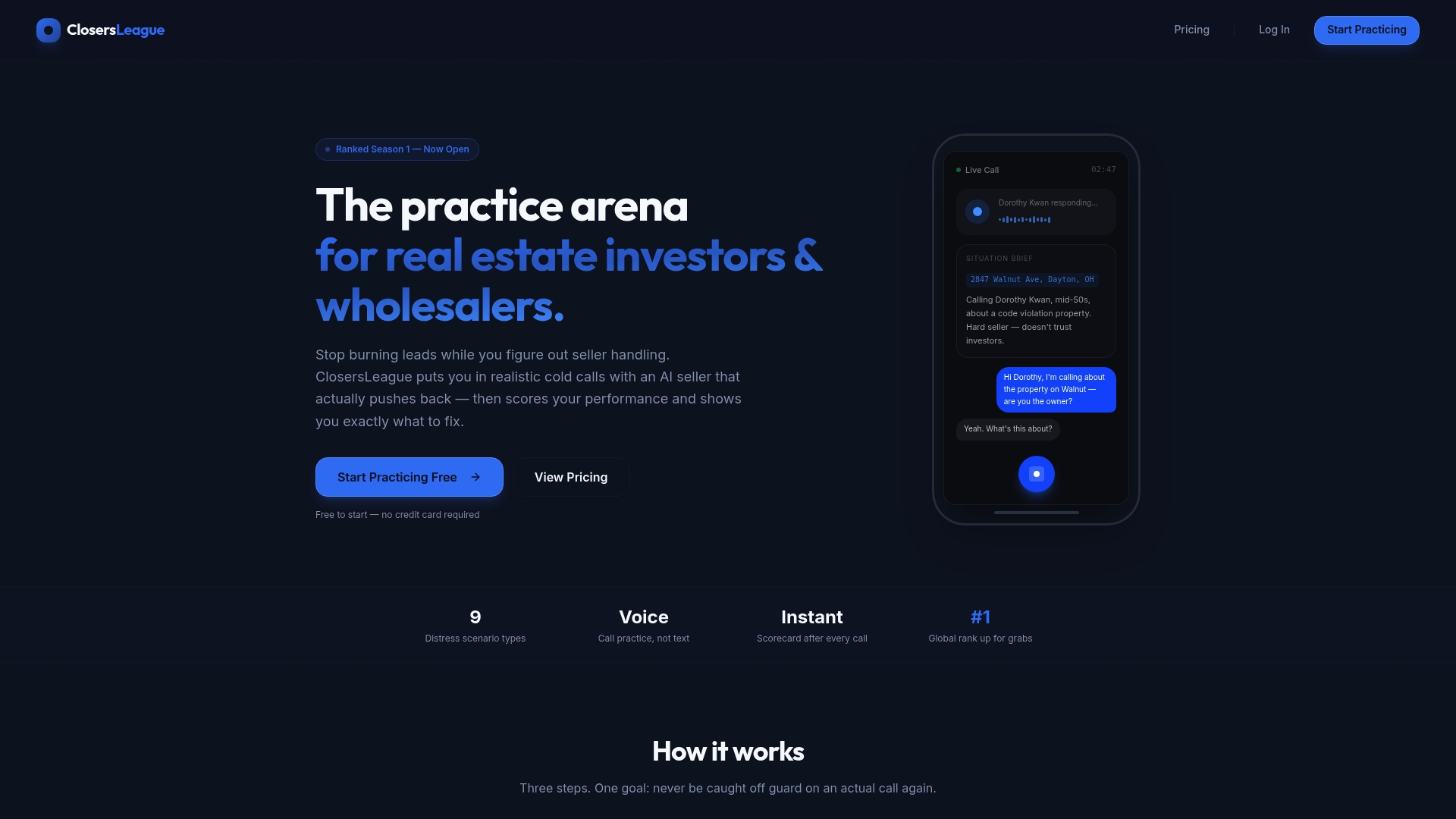
The platform runs scenario-based roleplay against AI sellers who react like real ones, hostile, wary, or neutral, and scores your delivery on clarity, tone, and pacing. You can run objection-specific drills for inherited property calls, track your progress on a leaderboard, and see exactly where your script runs long or your tone slips. Start a free trial at ClosersLeague and put tonight’s scripts through a real roleplay before you use them on a live seller.
Sources
- Defusing “How did you get my number?” — Josh Braun
- 3 Steps To Overcome Cold Call Objection “How Did You Get My Number?” — Klenty
- 40 Cold Call Objections — A Field Manual of Responses From the Phones | SalesArmor
- How Did You Get My Number? Compliance & Tone Issue — CallingAgency
FAQ
How do I respond when someone asks “how did you get my number?”
Name the source briefly, acknowledge the concern in one sentence, then ask permission to continue for 30 seconds, a structure sales trainers widely recommend because it keeps the call moving instead of putting you on the defensive.
What does “where did you get my number” usually mean?
It’s rarely a demand for a legal explanation. Most prospects are checking whether you’re a scam, whether you did real research, or just satisfying quick curiosity before deciding whether to keep listening.
How did I end up on a caller’s list in the first place?
Common sources include public property records, marketing data providers, company directories, and professional networking sites like LinkedIn, all legitimate and worth naming directly if a prospect asks.
What’s the best way to answer this without sounding evasive?
Avoid vague lines like “we have a list” or “we do research.” State the actual source in plain terms, then pivot immediately to why you’re calling, which keeps the conversation from stalling out on suspicion.
Can practicing this response actually change how calls go?
Yes. Rehearsing the reply with recorded roleplay until it fits under 8 seconds builds the kind of calm delivery that keeps prospects on the line, which is the exact skill platforms like ClosersLeague are built to train.